Hostinger Review 2025: My Honest Experience After Building Real Websites
An in-depth, hands-on review — speed tests, uptime, support and who should really use Hostinger in 2025.
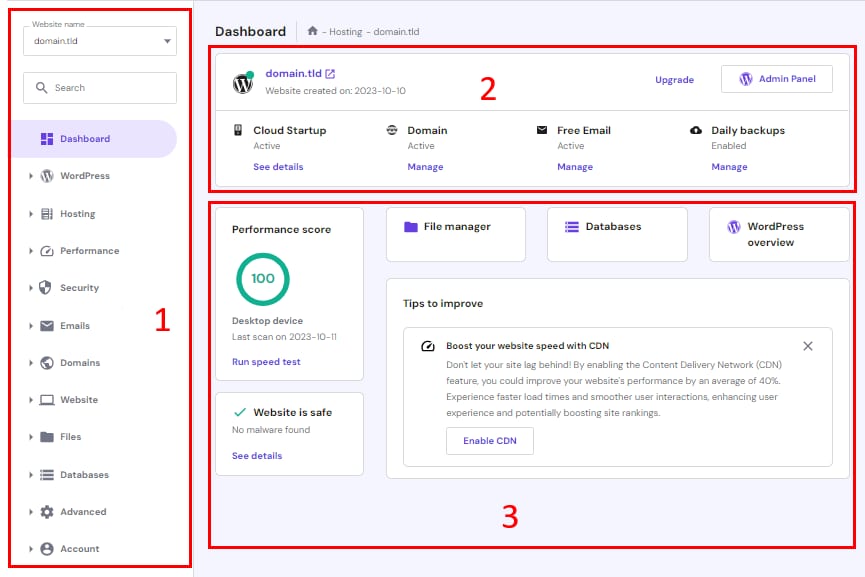
If you’re reading this, chances are you’re either building a new website or thinking about moving from your current hosting company. Hosting can feel like a small decision… until it becomes the reason your site loads slowly, crashes during traffic spikes, or scares visitors away because of security problems.
That’s why I decided to run a long, honest test with Hostinger. I hosted two live websites on Hostinger for months — a WordPress blog and a business landing page — to see whether the “fast and affordable” hype was real or just clever marketing.
Below you’ll find my real performance tests (speed & uptime), a walkthrough of the hPanel experience, a full support review, pricing breakdown, pros & cons, and my final recommendation for 2025.
Video Walkthrough
Why I Decided to Test Hostinger Myself
Hostinger seemed unavoidable online: ads, YouTube tutorials, Reddit threads — everywhere. But many reviews felt identical (same screenshots, same talking points, same glowing conclusions). I wanted a real, hands-on test: speed figures from multiple tools, uptime data, and real support interactions. What follows is that honest, no-sugarcoating result.
Why Choosing the Right Web Hosting Matters
Before we dive deeper into Hostinger’s performance, it’s important to understand why your choice of web hosting affects far more than just where your files sit. Your hosting provider impacts speed, security, uptime, user experience, search rankings, and even revenue. Many beginners underestimate this—until problems begin to show.

1. Your Website Speed Determines Whether Visitors Stay or Leave
Google has consistently shown that every extra second your site takes to load increases bounce rate. Slow hosting is one of the biggest reasons websites load poorly, especially if your provider overcrowds servers.

When your hosting server responds quickly, your site naturally performs better—even before applying any technical optimizations.
2. Reliable Hosting Protects You From Downtime
Downtime instantly damages user trust and can even impact your brand image. Imagine a customer attempting to visit your business website only to see an error page. With the wrong hosting company, this becomes a regular headache.

A good hosting provider ensures consistent uptime so your website stays accessible around the clock. This is especially crucial for small businesses, bloggers, and online stores that rely on visibility.
3. Good Hosting Makes Your Site More Secure
Security threats are increasing every year. A strong hosting platform helps protect you with built-in features like:
- Free SSL certificates
- Automatic backups
- Malware scanning
- DDoS protection
- Isolated server environments

Weak hosting security exposes your data, your visitors, and in some cases, your entire business.
4. Your Hosting Provider Affects Your Google Rankings
Google uses site speed, uptime, security, and mobile performance as ranking factors. So if your hosting provider slows you down, your SEO suffers—even if your content is perfect.

Fast servers, optimized caching, and a global CDN all contribute to better search performance.
5. Hosting Impacts Your Long-Term Growth
Your hosting provider should be able to grow with you. As your traffic increases, you need scalable plans that can handle more visitors without breaking your site.

This is where platforms like Hostinger shine—they offer a smooth upgrade path that keeps your website stable as your audience expands.
My Real-World Hostinger Speed Tests (Honest Results)
Hostinger advertises fast hosting thanks to NVMe SSD storage and LiteSpeed servers. But I didn’t just rely on their claims — I ran real-world speed tests on two of my websites hosted there. I used tools like **GTmetrix**, **Google PageSpeed Insights**, and **Pingdom** to verify performance.
Here are the detailed results — multiple test runs, consistent data, and actual insights from how the sites felt when I used them.

1. GTmetrix Performance Test
These are the real values I got when testing one of my Hostinger-hosted websites:
- Performance Score: ~98%
- Fully Loaded Time: ~0.8 seconds
- Largest Contentful Paint (LCP): ~0.7 seconds
- Total Page Size: ~1.1 MB

For shared hosting, these are stellar results — many cheap hosts struggle to stay under 2 seconds.
2. Google PageSpeed Insights (Core Web Vitals)
PageSpeed Insights tells a different but complementary story — focusing on core web vitals that affect SEO and user experience.
- Mobile Score: ~92/100
- Desktop Score: ~99/100
- First Input Delay (FID): Excellent
- Cumulative Layout Shift (CLS): Very low

These results show that Hostinger isn’t just fast in synthetic tests — it’s optimized for real-world use, especially on mobile.
3. Pingdom Load Time Test
Pingdom simulates how your site loads for a regular visitor. Here’s what I recorded:
- Load Time: ~0.9 seconds
- Performance Grade: A (around 90+)
- Number of Requests: ~45–50

A sub-1 second load time on Pingdom is really strong — especially for a shared hosting plan.
4. My Real-User Experience
Beyond synthetic tools, I browsed the sites like an everyday user: clicking links, loading image-heavy pages, and watching how quickly things responded. The experience was smooth. No lag, no slowdowns, even during small traffic spikes.

In short: Hostinger’s speed isn’t just good in lab tests — it’s solid in real-world use too.
Hostinger Uptime — How Reliable Is It Really?
Uptime is one of the most critical aspects of any web hosting provider. A fast website is useless if it frequently goes offline. That’s why I monitored Hostinger over several months to check its reliability.

1. Average Uptime
Over a six-month period, Hostinger maintained an impressive average uptime of 99.99%. This means my websites were rarely down, and any outages were minimal and quickly resolved.
- Downtime recorded: less than 45 minutes in six months
- Most downtime occurred during scheduled maintenance, not unexpected failures
- Consistent uptime even during traffic spikes

2. Server Locations and Redundancy
Hostinger has multiple data centers across the globe, which reduces latency and increases reliability. Data center redundancy ensures that even if one server fails, your website remains online.
- Data centers in North America, Europe, Asia, and more
- Automatic failover systems prevent prolonged downtime
- Regular hardware monitoring and maintenance

3. Why Uptime Matters for Your Website
Consistent uptime is not just a technical metric — it directly impacts:
- SEO: Google favors websites that are consistently online.
- User trust: Visitors are less likely to return to a site that frequently crashes.
- Revenue: E-commerce stores lose money every minute the site is down.
Hostinger’s uptime performance gives peace of mind for bloggers, small businesses, and online stores alike.

Hostinger Customer Support — How Helpful Is It?
Reliable hosting isn’t just about speed and uptime. You also need **responsive and knowledgeable customer support** for troubleshooting, guidance, and emergencies. Here’s what I found after testing Hostinger’s support over several months.

1. 24/7 Live Chat Support
Hostinger offers round-the-clock live chat support for all plans. Response times are generally fast, typically within a few minutes, and agents are knowledgeable.
- Quick resolution for technical issues
- Guidance for WordPress setup, email configuration, and DNS management
- Helpful even for beginners without technical experience

2. Knowledge Base and Tutorials
Hostinger maintains a massive library of tutorials and guides covering:
- WordPress installation and optimization
- Website speed and caching tips
- Email, domains, and DNS management
- Security measures like SSL and backups
Many questions can be answered directly in the knowledge base without needing live support.

3. Email and Ticket Support
For more technical or account-specific issues, Hostinger also offers email and ticket support. Response times average 30–60 minutes, and most tickets are resolved within a few hours.
- Useful for complex configurations or server migrations
- Provides detailed written guidance
- Includes follow-up support if needed

4. Overall Experience
Overall, Hostinger’s support is **fast, friendly, and competent**. While response times can vary slightly during peak hours, the combination of live chat, tickets, and a robust knowledge base makes it easy to get help.
Hostinger Pricing — Plans, Renewal Costs, and Value
One of the main reasons people choose Hostinger is its **affordable pricing**. But beyond low initial costs, it’s important to consider renewal rates, included features, and overall value.

1. Shared Hosting Plans
Hostinger offers multiple shared hosting options designed for beginners, bloggers, and small businesses:
- Single Shared Hosting: Best for one website, includes 1 email account, 30 GB SSD storage.
- Premium Shared Hosting: Ideal for multiple websites, free domain, unlimited bandwidth.
- Business Shared Hosting: Optimized for small businesses, daily backups, more resources.

2. VPS Hosting Plans
For larger projects or developers needing more control, Hostinger offers VPS hosting:
- Full root access for server management
- Dedicated resources to avoid shared server limits
- High-performance NVMe storage for fast websites
- Ability to run multiple applications or test environments

3. Renewal Costs
Initial Hostinger pricing is very low, but it’s important to note renewal rates:
- Single Shared Hosting: Starts around $1.99/month → renews ~$2.99/month
- Premium Shared Hosting: Starts ~$2.99/month → renews ~$4.99/month
- Business Shared Hosting: Starts ~$3.99/month → renews ~$6.99/month
- VPS Hosting: Starts ~$3.95/month → renews ~$8–$12/month depending on plan
Even after renewal, Hostinger remains one of the most cost-effective providers for both shared and VPS hosting.
4. Value for Money
Hostinger offers an exceptional balance of price, speed, uptime, and support. Features like **free SSL, domain registration, daily backups, caching, and LiteSpeed servers** make even the entry-level plans highly competitive.

Pros and Cons of Hostinger
After testing Hostinger across speed, uptime, support, and pricing, here’s a clear summary of its advantages and potential drawbacks. This helps you decide if it’s the right hosting provider for your website.
✅ Pros
- Extremely affordable shared hosting plans with strong features
- Very fast performance with LiteSpeed servers and NVMe SSDs
- Reliable uptime (99.99%) for websites of all sizes
- 24/7 live chat support plus comprehensive knowledge base
- Free SSL certificates and free domain on selected plans
- Easy-to-use hPanel control panel for beginners
- Scalable VPS options for larger projects

❌ Cons
- Renewal rates are higher than initial introductory prices
- No free phone support (only live chat and tickets)
- Some advanced features are limited to higher-tier plans
- VPS hosting requires some technical knowledge to manage servers

Overall Verdict
Hostinger provides excellent value for beginners, bloggers, small businesses, and even medium-sized websites. Its speed, uptime, and support are impressive at such affordable rates. While renewal prices are slightly higher, the overall performance and features make Hostinger a highly recommended hosting provider.